Game developers continually seek innovative methods to balance unpredictability and engagement within their designs. Circular spinner mechanics provide a highly visual and intuitive system for generating unexpected results across a wide variety of interactive genres. By incorporating these straightforward rotation systems, creators can instantly elevate basic gameplay loops and keep audiences thoroughly entertained.
Driving Casual Engagement and Pacing
In casual and hyper-casual mobile gaming, keeping player sessions fast and rewarding is essential for long-term retention. Random wheels serve as an ideal mechanism to deliver daily bonuses or quick side challenges without introducing overly complicated rules. This seamless integration gives players an immediate sense of progression and keeps the overall pacing lively.
Furthermore, the visual nature of a spinning disk creates an organic moment of anticipation that heightens emotional investment. Even when the digital stakes are relatively low, watching the pointer slow down provides a satisfying sensory experience. This mechanical simplicity allows new players to understand the game loop within seconds of opening the application.
Introducing Variety into Strategy and Roleplay
While strategic games rely heavily on calculated decisions, introducing elements of controlled chance can prevent matches from becoming entirely predictable. Turn-based roleplaying systems often use specialized randomizers to determine critical hits, status effects, or unexpected environmental shifts during battle. This forces participants to adapt their tactics dynamically rather than relying on identical routines.
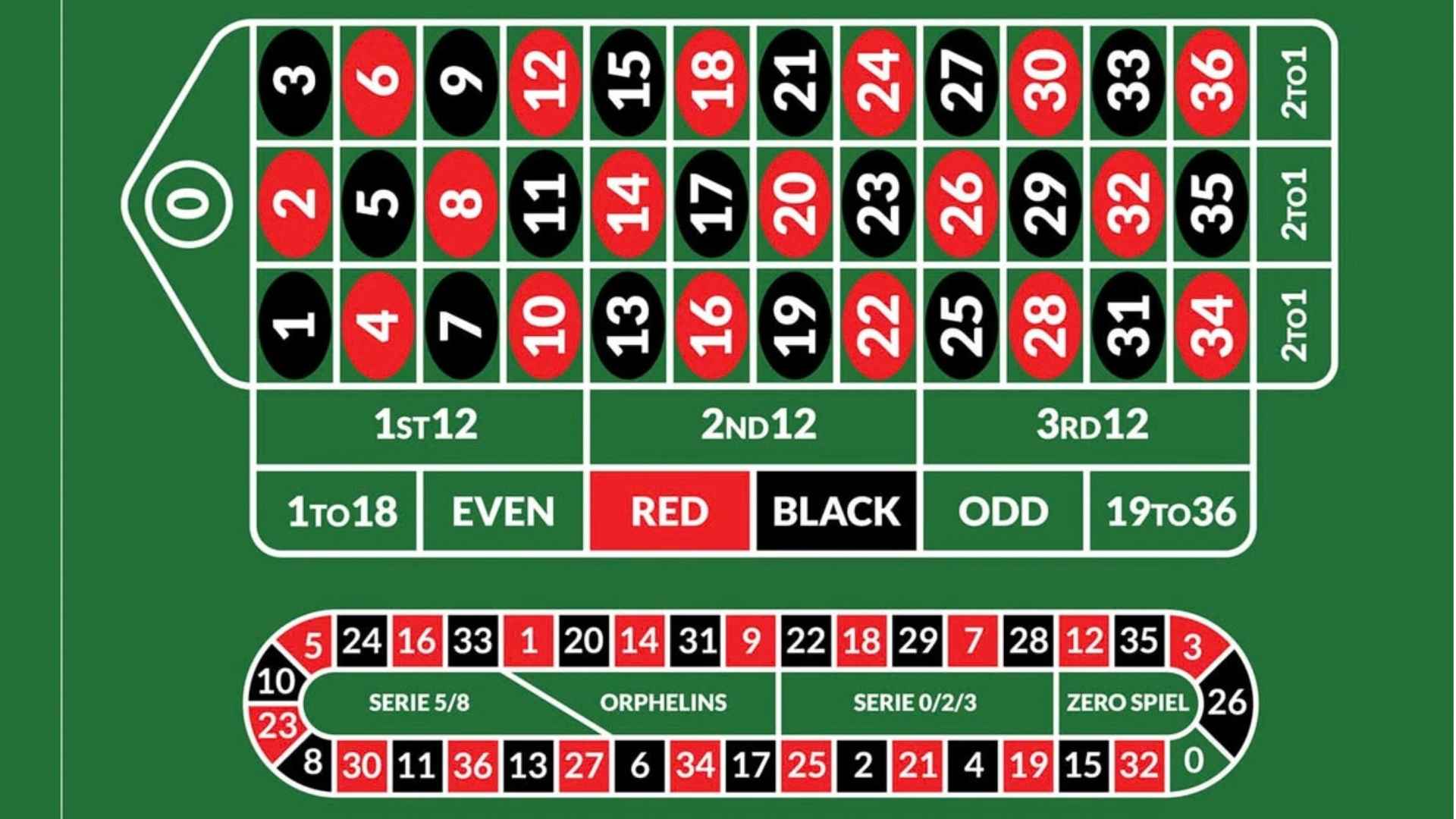
Many modern digital platforms, including online gaming hubs like m88 casino, employ refined probability mechanics to create diverse outcomes for users. By utilizing variable reward systems, developers can maintain an optimal balance between player skill and surprising outcomes. This ensures that every individual session feels entirely unique and distinctly memorable.
Enhancing Cooperative and Multiplayer Dynamics
Multiplayer titles often struggle with decision deadlocks when groups must collectively choose maps, character roles, or special challenges. Implementing a communal spinning wheel resolves these minor disputes neutrally while transforming a standard menu selection into a shared event. This neutral delegation eliminates personal friction and encourages participants to embrace spontaneous match conditions.
In cooperative environments, randomizers can also be used to distribute unexpected tasks or select temporary team leaders during a mission. This dynamic distribution of responsibilities keeps everyone actively involved and prevents gameplay from feeling formulaic. The visible transparency of the circular interface reassures the entire group that the selection process is completely fair.
Fostering Educational and Interactive Learning
Beyond traditional entertainment, interactive wheels have become highly effective tools within educational software and corporate training modules. Facilitators utilize digital spinners to select random quiz topics, assign presentation themes, or choose students for classroom participation. This element of playfulness effectively reduces public speaking anxiety and increases general classroom focus.
By turning routine study reviews into unpredictable challenges, learners remain cognitively engaged for extended periods. The visual representation of colorful sections helps students understand basic probability principles in a practical context. Ultimately, these adaptive wheel systems demonstrate that randomized mechanics can successfully support diverse interactive platforms far beyond conventional video games.