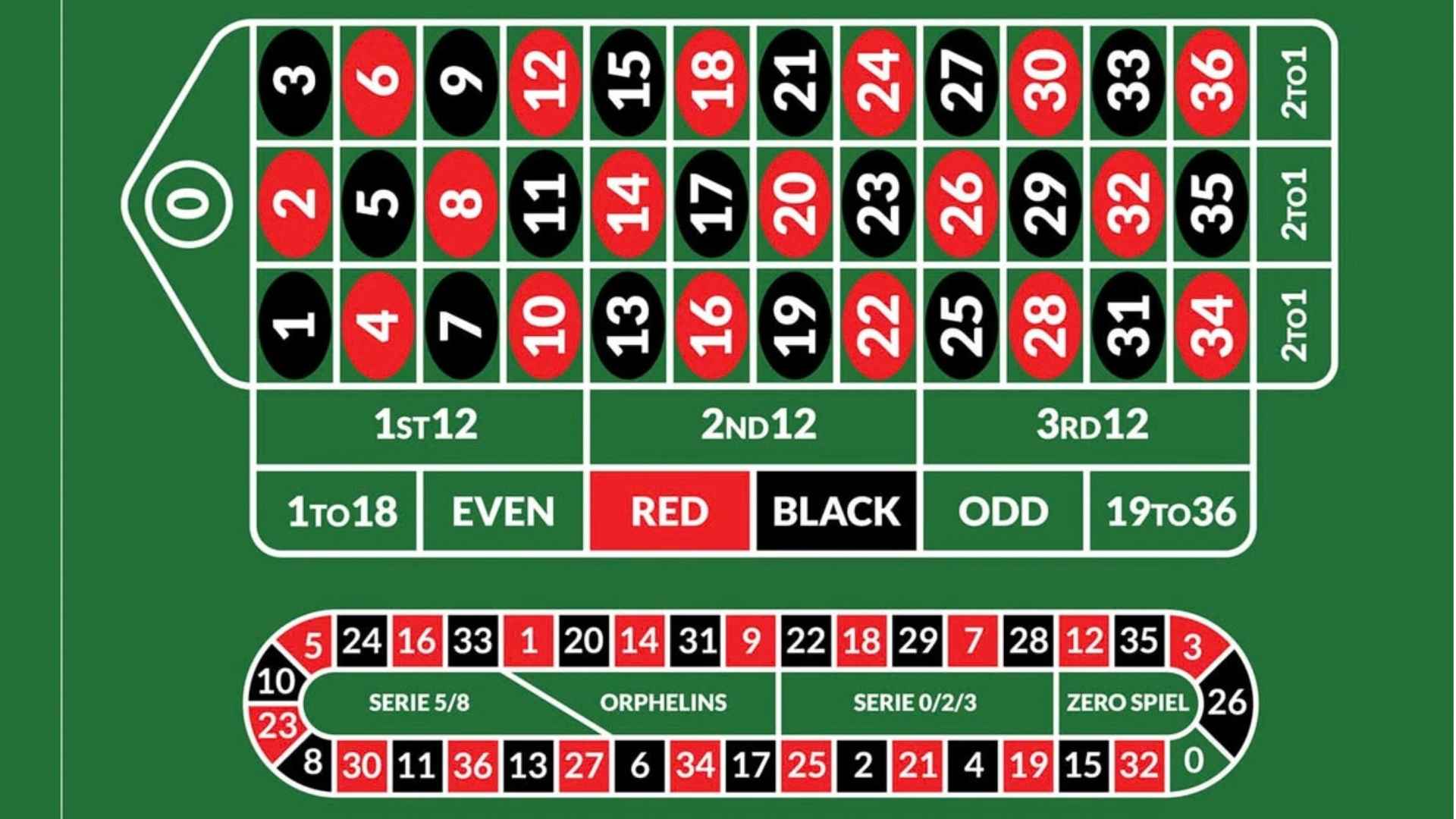
Integrating numerical challenges into modern educational frameworks has shifted the way educators view cognitive development. Rather than relying on static formulas, interactive numbers-based activities teach players how to anticipate outcomes and plan multiple steps ahead. This evolution turns standard learning into a dynamic, goal-oriented process that fosters deep critical thinking skills.
The Psychology of Numerical Choice
Every decision made within a logic grid forces the human brain to move past random trial and error. Players must systematically analyze existing boundaries, calculate specific possibilities, and balance immediate actions against future objectives. This cognitive loop strengthens the prefrontal cortex, which is responsible for managing working memory and high-level decision structures.
As individuals engage with these structures over time, their ability to process complex sequences improves dramatically. Many modern platforms offer digital landscapes where users can master these mathematical problem-solving systems at their own speed. Visiting specialized sites like M88bet can help enthusiasts discover innovative gameplay styles and strategic community updates. Exploring multiple numerical variations ensures that intellectual engagement remains high while building foundational mathematical confidence.
Developing Adaptability and Resilient Thinking
One major benefit of numbers-based learning is the immediate feedback loop it provides during active participation. When a chosen sequence leads to an unexpected bottleneck, the participant must quickly re-evaluate their hypothesis and pivot to a new tactical path. This practice prevents structural rigidity, training the mind to remain highly flexible in rapidly changing environments.
Furthermore, managing these systematic challenges teaches individuals how to manage complex task hierarchies efficiently. By breaking a larger numeric obstacle down into smaller, actionable segments, players learn the core tenets of project management. Overcoming these controlled difficulties builds long-term mental resilience that translates directly into everyday problem-solving scenarios.
The Long Term Academic and Professional Value
Strategic math puzzles do much more than just entertain individuals during their free time. Extensive academic studies demonstrate that regular engagement with numeric variations enhances overall information processing speeds. Maintaining an active mind through logical challenges serves as a fantastic protective strategy for cognitive health throughout adulthood.
Additionally, learning how to recognize repeating mathematical correlations early on gives students a massive advantage in scientific disciplines. The structured habits developed during interactive play allow professionals to navigate statistical uncertainties with absolute clarity. Transitioning from basic arithmetic awareness to comprehensive system analysis becomes an achievable journey for dedicated puzzle solvers of all backgrounds.