Navigating modern problem solving requires a deep appreciation for the statistical frameworks that govern everyday life. Engaging with probability challenges offers a unique dynamic for developing mental flexibility and rational reasoning. These cognitive exercises train the human mind to move past absolute assumptions and embrace structured risk assessment.
The Dynamic Nature of Probabilistic Thinking
Probabilistic thinking allows individuals to evaluate potential outcomes based on incomplete data rather than relying purely on intuition. By breaking down intricate issues into manageable statistical components, people can avoid the pitfalls of overconfidence. This analytical transformation shifts our focus from seeking perfect answers to discovering the most optimal choices available.
Regularly practicing these mathematical skills helps professionals across various industries chart a secure path through unpredictable operational shifts. When individuals learn to evaluate the balance between risk and reward, their everyday decision-making capabilities improve significantly. This cognitive shift is highly transferable, helping teams resolve intricate professional dilemmas with greater agility.
How Interactive Scenarios Enhance Mental Agility
Interactive simulations and strategic exercises provide a practical environment for mastering the complex laws of chance. Experiencing statistical variations firsthand helps learners visualize abstract mathematical concepts more effectively than traditional static textbooks. Over time, this hands-on practice builds an intuitive grasp of behavioral patterns and systematic disruptions.
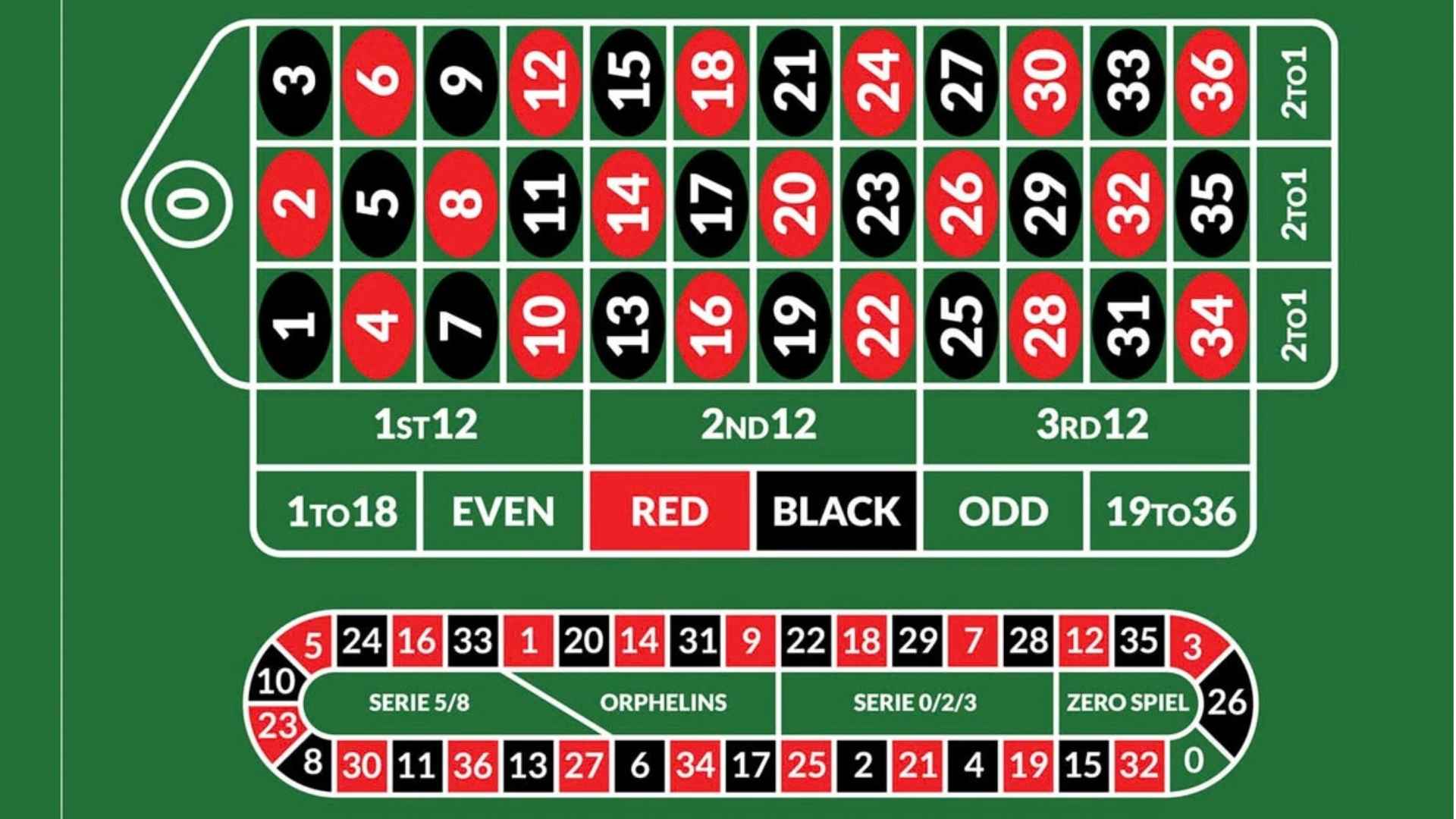
Many modern educational tools and digital gaming platforms utilize these fundamental principles to design engaging analytical experiences. For those looking to explore randomized statistical challenges, visiting a dedicated platform like M88 toto can offer an engaging way to witness digital randomness in action. Familiarizing yourself with these dynamic systems is an excellent step toward building long-term critical reasoning skills.
Deconstructing Complexity for Better Solutions
Complex problem solving relies heavily on an individual's capacity to deconstruct massive challenges into smaller, isolated variables. Probability exercises naturally encourage this behavior by requiring participants to isolate independent and dependent events systematically. Consequently, strategic thinkers become better equipped to anticipate potential setbacks before they manifest in real-world scenarios.
Furthermore, evaluating numerical likelihoods helps remove emotional biases that frequently cloud human judgment during high-stakes situations. Embracing data-driven perspectives ensures that final decisions are rooted in objective reality rather than temporary emotional states. Fostering this logical approach is ultimately crucial to better address the fast-paced complexities of modern society.
Building Resilient Cognitive Habits
Consistently engaging with mathematical uncertainty teaches minds to remain resilient when faced with unexpected disruptions or sudden regime shifts. Rather than becoming discouraged by unpredictable results, analytical thinkers learn to adjust their strategies dynamically using new information. This continuous refinement cycle transforms temporary failures into valuable milestones for cognitive development.
Ultimately, the rewards of mastering statistical reasoning extend far beyond classroom settings or corporate boardrooms. Developing a disciplined approach to mathematical chance ensures that you can navigate personal and professional challenges with confidence. With steady practice, the world of probability turns into a highly effective tool for long-term intellectual growth.