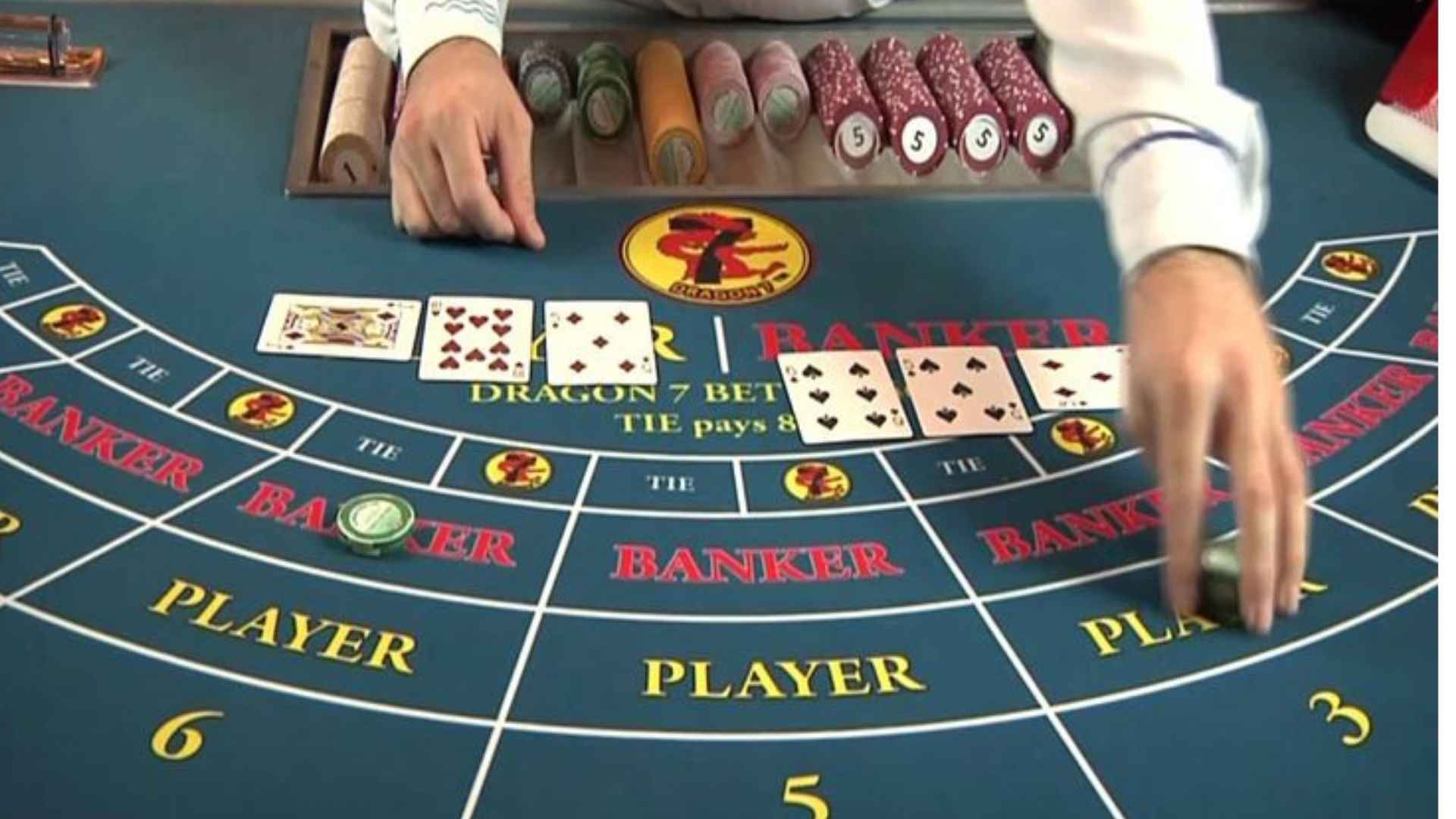
Baccarat has long carried a reputation as an exclusive game reserved for high rollers, yet its core framework relies on just three primary wagers. Navigating the table successfully requires an understanding of how these options operate from a mathematical and structural perspective. This guide explores the distinct properties of each selection to help participants approach the game with ultimate clarity.
The Mathematical Reality of the Banker Hand
The banker position represents the most statistically favorable selection available on the traditional layout due to its inherent drawing advantages. It maintains a remarkably low house edge of approximately 1.06 percent, making it the foundational choice for structured approaches. Because this hand wins slightly more often than it loses, casinos implement a standard five percent commission on successful outcomes to maintain their mathematical margin.
Understanding this built-in commission helps players manage their expectations and avoid surprises during a live session. Many experienced participants prefer this selection because it provides a reliable baseline over extended multi-deck shoes. For those looking to study these distributions or explore gaming environments further, platforms like M88bet provide excellent exposure to classic table dynamics.
Analyzing the Flow of the Player Selection
The player hand offers a straightforward alternative that does not feature any commission rules on winning rounds. It carries a slightly higher house edge of roughly 1.24 percent, which remains highly competitive compared to other casino options. Choosing this position simplifies bankroll calculations since every winning wager delivers an exact even-money return.
While it appears marginally less advantageous than the banker position, it provides an excellent balance for casual players who prefer simple payouts. Diversifying your approach between the two primary positions depends entirely on your personal tolerance for commissions and tracking frequencies. True consistency comes from recognizing that both options offer some of the friendliest odds in modern gaming facilities.
The Pitfalls of the High Payout Tie Wager
The tie bet is positioned as an attractive bonus option because it usually offers a substantial payout of eight or nine to one. However, this appealing return is offset by an enormous house edge that frequently exceeds 14 percent depending on the shoe configuration. This significant mathematical disadvantage makes it an inefficient choice for anyone trying to protect their capital.
Most strategic frameworks completely disregard this option because the likelihood of both hands matching perfectly is statistically rare. Engaging with this selection can rapidly drain resources during a long session of play. Experienced visitors view the tie area as a distraction rather than a viable alternative for baseline table play.
The Role of Side Bets and Layout Variances
Modern table variations frequently introduce optional side wagers such as pairs, specific combinations, or point margins to increase excitement. These additions offer independent payouts that do not affect the main outcome of the primary hands. While they provide short-term variety, their house advantages are generally much higher than the standard options.
Approaching these extra choices with moderation prevents unnecessary volatility from disrupting your overall plan. Incorporating them sparingly allows you to enjoy the entertainment value without exposing your baseline capital to high risk. Balancing standard choices with occasional side options ensures a well-rounded and disciplined session structure.