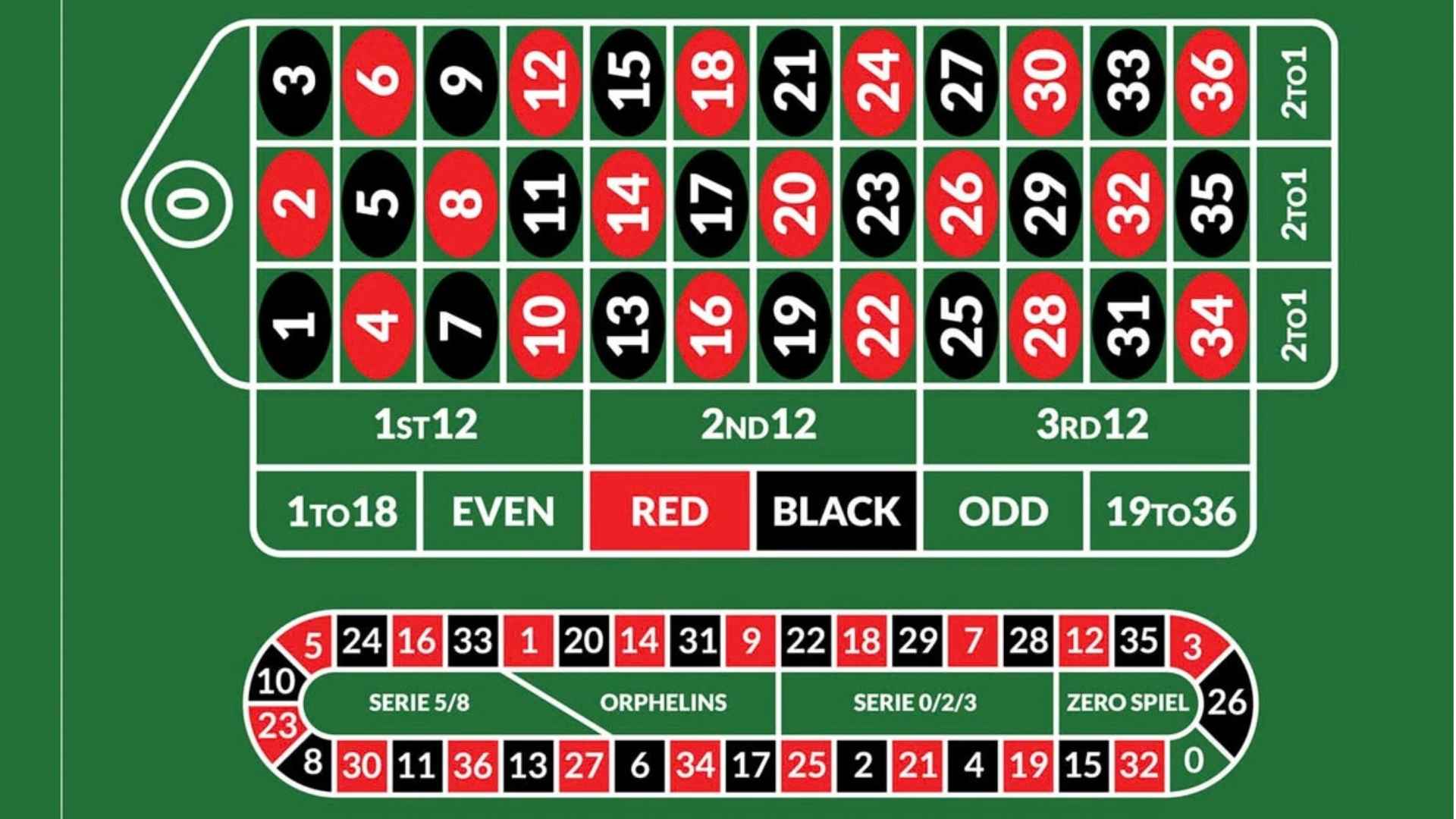
The landscape of digital media is undergoing a massive shift as traditional chance mechanics merge with advanced technology to redefine casual engagement. Once confined to mechanical structures at local carnivals, spinning simulators have found a permanent home within global streaming networks and mobile platforms. This evolution is giving rise to a highly interactive ecosystem where consumer involvement and graphic innovation play central roles in sustaining interest.
The Shift Toward Immersive Real-Time Interactions
Modern developers are moving away from passive visual designs to embrace highly immersive virtual environments that respond to player inputs. Integrating real-time sensory feedback ensures that every rotation delivers a customized narrative arc rather than a static repetition. This active participation changes how audiences view digital rewards, converting simple gameplay into memorable milestones.
Furthermore, the introduction of multi-layered interfaces lets users select tailored reward pools or modify visual themes before initiating a session. This layer of control enhances personal investment and deepens the emotional connection between the audience and the digital dashboard. As systems become more adaptive, the line between passive viewing and interactive media continues to blur.
Algorithmic Fairness and Enhanced Consumer Trust
At the center of this technological revolution is the integration of verified cryptographic systems that ensure absolute operational integrity. Modern audience groups demand complete transparency regarding statistical distributions and background random number generators. Because players can access public verification tools, platforms can easily prove that every single outcome operates as an entirely independent event.
Building solid foundations of trust is essential for corporate entities looking to secure long-term user retention across digital financial ecosystems. Analysts from m88 capital point out that fairness-oriented algorithmic governance serves as a critical mechanism for mitigating consumer stress. When users perceive that a digital engine values transparency, their overall attitude toward interactive software becomes significantly more positive.
Predicting the Next Frontier of Interactive Features
Looking forward, the integration of virtual reality and spatial audio technologies promises to elevate the spinning format into an unmatchable multimedia spectacle. Emerging platforms are experimenting with shared virtual lounges where spectators can gather to experience the suspense of a round collectively. This social transformation recreates the community energy of physical exhibitions while maintaining the boundless accessibility of the cloud.
Additionally, the transition toward decentralized storage architectures protects user data against potential security vulnerabilities without compromising system latency. By utilizing advanced encryption protocols, creators can guarantee a resilient environment where player portfolios remain safe from external interference. These combined advancements ensure that the future of digital entertainment will remain sustainable, secure, and deeply engaging for audiences worldwide.