Understanding how volatility functions in casino entertainment helps players align their expectations with the mathematical reality of modern games. Often referred to interchangeably with variance, volatility describes the risk factor inherent in any game title. By evaluating this metric, players can choose titles that match their personal playstyles and risk tolerances.
Defining Volatility and Variance in Gaming
In casino gaming, volatility measures the frequency and size of payouts over a prolonged gaming session. Low volatility games offer smaller, frequent wins that keep bankrolls steady, while high volatility titles feature rare but substantial payouts. Understanding this variance allows players to anticipate potential dry spells and budget their balances effectively.
While Return to Player determines total long-term payouts, volatility defines the path taken to reach those overall statistical expectations. Two games with identical payout percentages can feel entirely different based on how their variance is structured. Recognizing this distinction empowers players to select titles matching their desired entertainment pace.
Low Volatility versus High Volatility Dynamics
Low variance titles are designed for casual players who value longer gaming sessions with minimal risk. These games produce consistent hits that help maintain session momentum without rapid balance fluctuations. They serve as ideal options for beginners learning game mechanics without risking major capital loss.
High variance options cater to players seeking maximum payout potential despite the higher probability of extended losing streaks. Players exploring platforms like m88 slot login often analyze these risk ratings to pick titles that match their preferred strategy. Success in high volatility games requires patience and a larger starting bankroll to withstand long periods without payouts.
The Role of Game Mechanics in Calculating Variance
Developers manipulate volatility using specific features such as bonus triggers, wild multipliers, and paytable distributions. In slot machines, titles that concentrate large portions of their total payout into rare bonus rounds naturally possess higher variance. Conversely, base games with balanced pay lines deliver lower volatility and smoother bankroll curves.
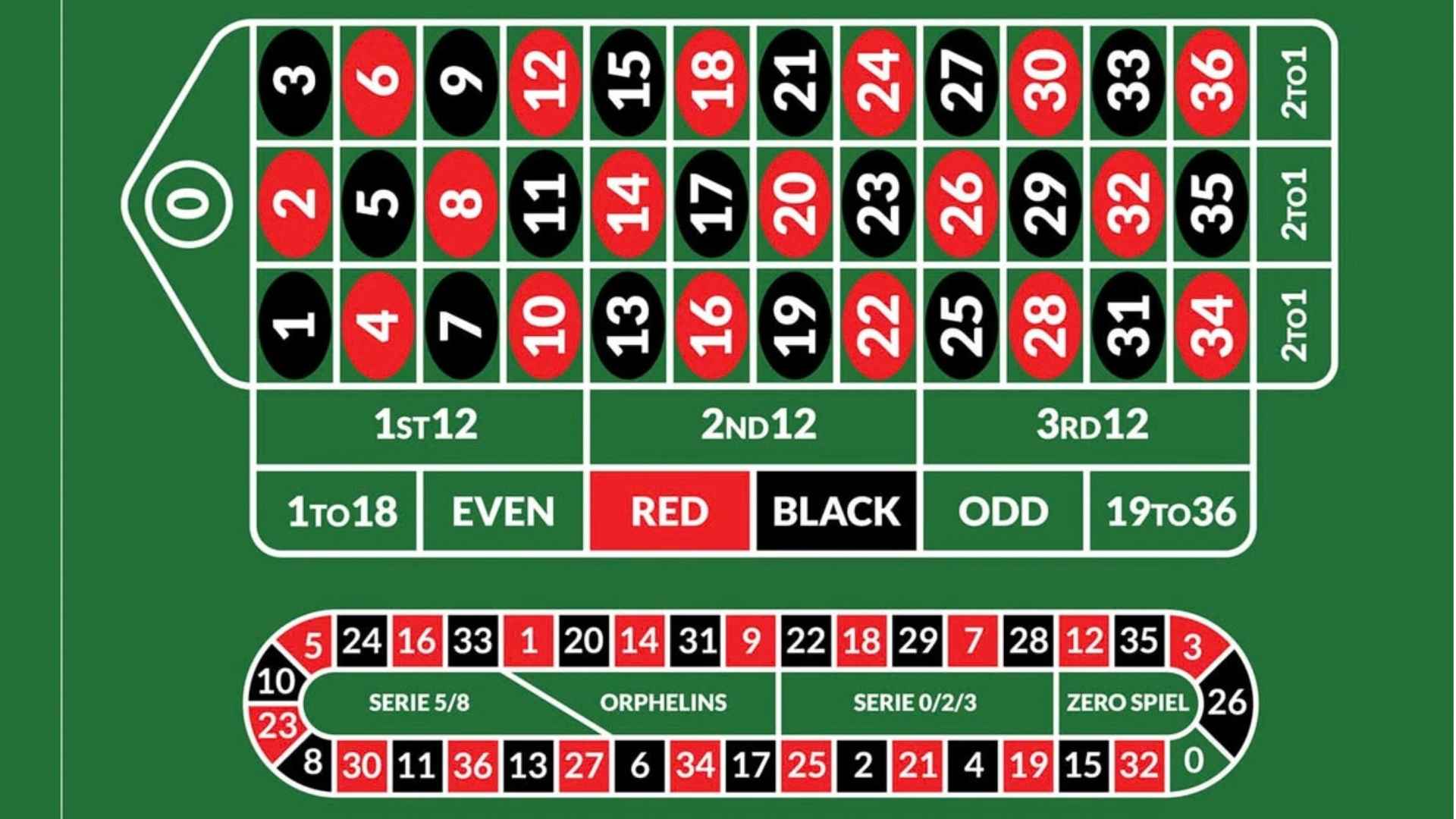
Table games also feature inherent variance based on their primary wagering rules. Even-money bets in games like roulette or baccarat carry low volatility due to near-fifty-percent win probabilities. Single-number bets or complex side wagers introduce higher volatility due to their steep odds and larger prospective payouts.
Strategic Considerations for Managing Game Variance
Adapting bet sizes according to game variance is essential for sustainable bankroll management. When playing high volatility titles, reducing individual wager amounts prevents swift balance depletion before triggering major payouts. Lower volatility games permit slightly higher relative stakes since payouts occur with greater regularity.
Selecting the appropriate volatility level depends entirely on personal entertainment goals and session timeframes. Short sessions benefit from high variance titles where quick, substantial wins are possible. Longer, casual sessions align better with low variance options that preserve capital and extend overall playtime.